PersonaPlex-7B: How NVIDIA Just Changed the Future of Voice AI
January 24, 2026


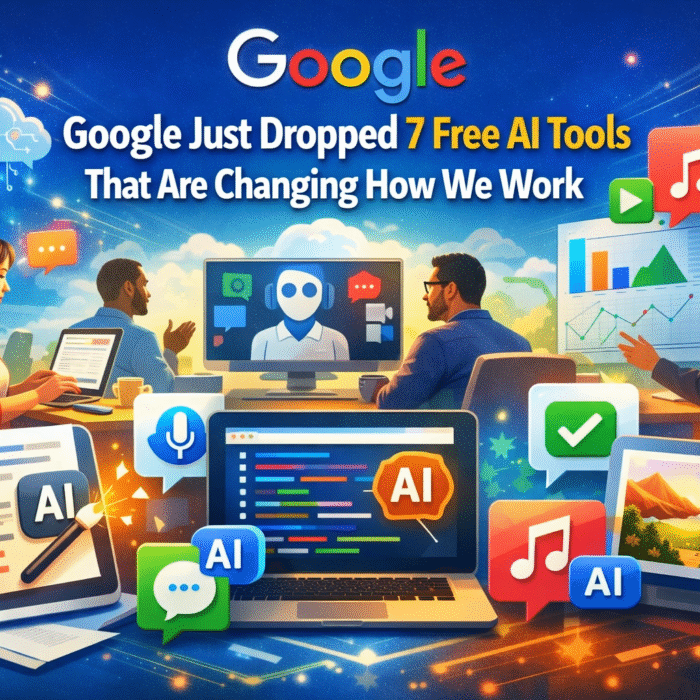
Every once in a while, a product release quietly signals a much bigger shift. Google’s recent launch of seven free AI tools feels exactly like that moment. These are not experimental demos or short-lived previews. They are practical tools designed to help people build, automate, and create faster with far less friction.
What stood out most while exploring these tools is how usable they feel. Each one solves a real problem that teams face every day. Let’s take a closer look at what Google has released and why it matters.
Design is often where ideas slow down. Google Stitch removes that bottleneck by using AI to generate clean, professional app designs in minutes. Instead of spending weeks iterating on layouts, teams can quickly move from idea to usable design.
This is especially useful for founders, product managers, and teams building MVPs who want speed without sacrificing quality. Stitch allows teams to focus more on functionality and less on design delays.
Built by AI Studio is one of the most surprising tools in this release. You simply describe the web app you want in plain language, and the AI takes care of building the structure, interface, and logic.
For non-technical builders and early-stage teams, this lowers the barrier to building software dramatically. It also works well for rapid prototyping when you want to test an idea before investing in full development.
Automation often sounds more complex than it should be. Opal changes that by offering a visual and intuitive way to build workflow automations. You can connect tools, triggers, and actions without deep technical knowledge.
For teams dealing with repetitive tasks, Opal helps reduce manual work and create systems that scale naturally. It brings automation closer to everyday operations instead of keeping it locked behind technical expertise.
Notebook LM addresses one of the biggest challenges today: information overload. By uploading documents or reports, users can turn dense text into AI-generated podcasts or explainer-style content.
This makes it easier to learn, onboard new team members, or consume information without reading long documents. It transforms static content into something more accessible and engaging.
Consistent content creation can be exhausting. Pomelli helps by scanning your website and generating social media posts that match your brand tone and messaging.
Instead of generic captions, Pomelli focuses on brand alignment. This allows teams to stay active on social channels while spending less time brainstorming and editing content.
Turning documents into slide decks is a common but time-consuming task. Gemini Canvas simplifies this by converting text-heavy documents into visually polished presentations within seconds.
It is especially helpful for client decks, internal reports, and pitch presentations where clarity and design matter. With Gemini Canvas, teams can focus on storytelling instead of formatting slides.
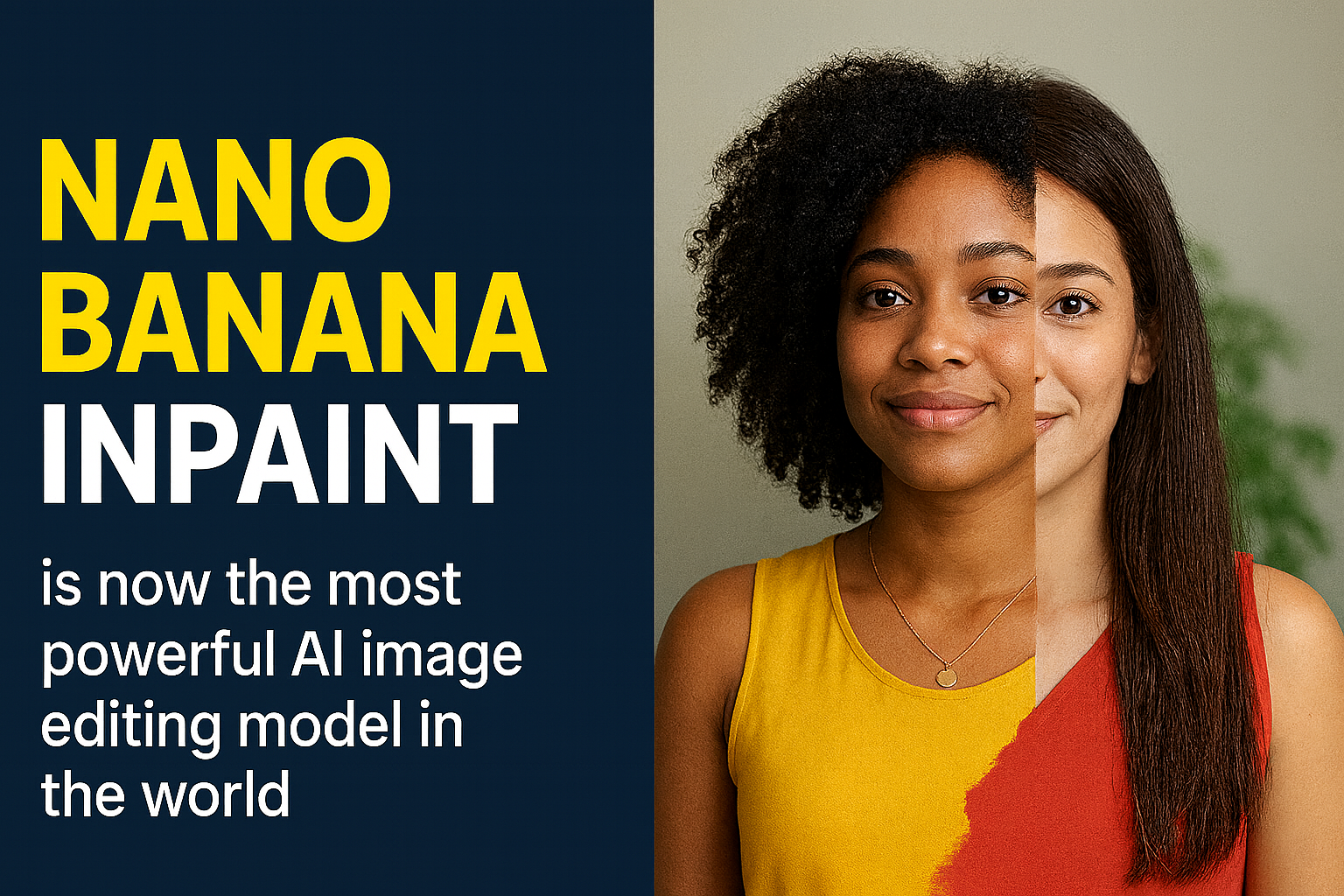
Nano Banana Pro delivers high-quality, photorealistic AI images suitable for marketing and product visuals. Despite the playful name, the output is professional and usable across campaigns.
This tool helps teams move faster, creatively while reducing dependency on traditional design resources. It also encourages experimentation without high production costs.
What makes this release important is not just the tools themselves but the direction they point to. Google is building an AI-first ecosystem where design, automation, development, and content creation work together seamlessly.
At BigAIagent, we believe AI should feel less complicated and more supportive. These tools reflect that idea by quietly improving workflows instead of adding complexity. If you try even one of them, you will likely notice the shift in how work gets done.