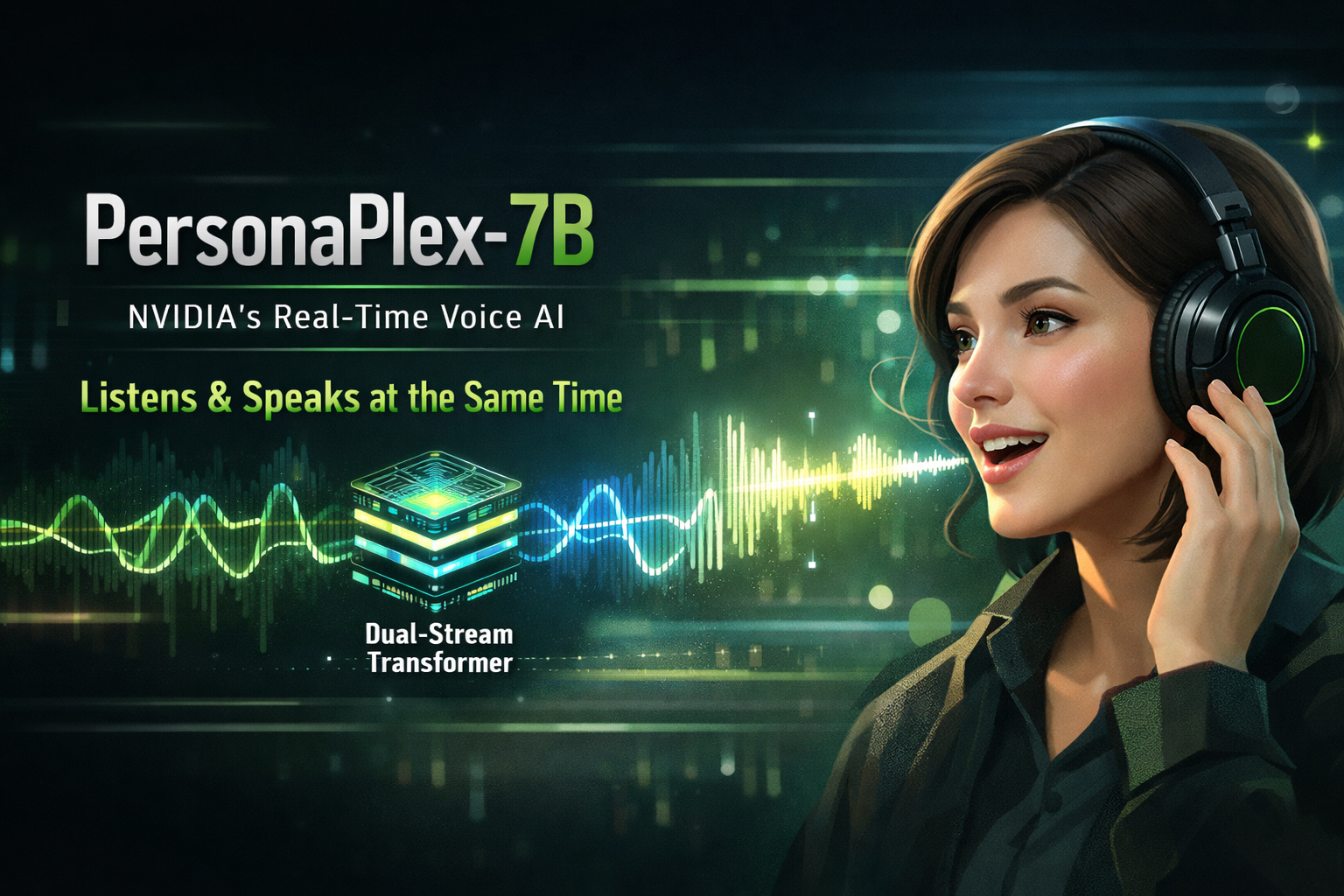
PersonaPlex-7B: How NVIDIA Just Changed the Future of Voice AI
January 24, 2026



In an increasingly digital world, the battlefield of cybersecurity is expanding faster than ever. Every click, every connection, and every data exchange carries the potential for vulnerability. As cyber threats grow in scale and sophistication, traditional security systems can no longer keep up.
This is where AI steps into the frontier, redefining how we predict, prevent, and respond to cyberattacks.
Traditional cybersecurity relies heavily on human analysts and predefined rules. While effective to a degree, these systems often react after an attack occurs.
AI changes this paradigm completely.
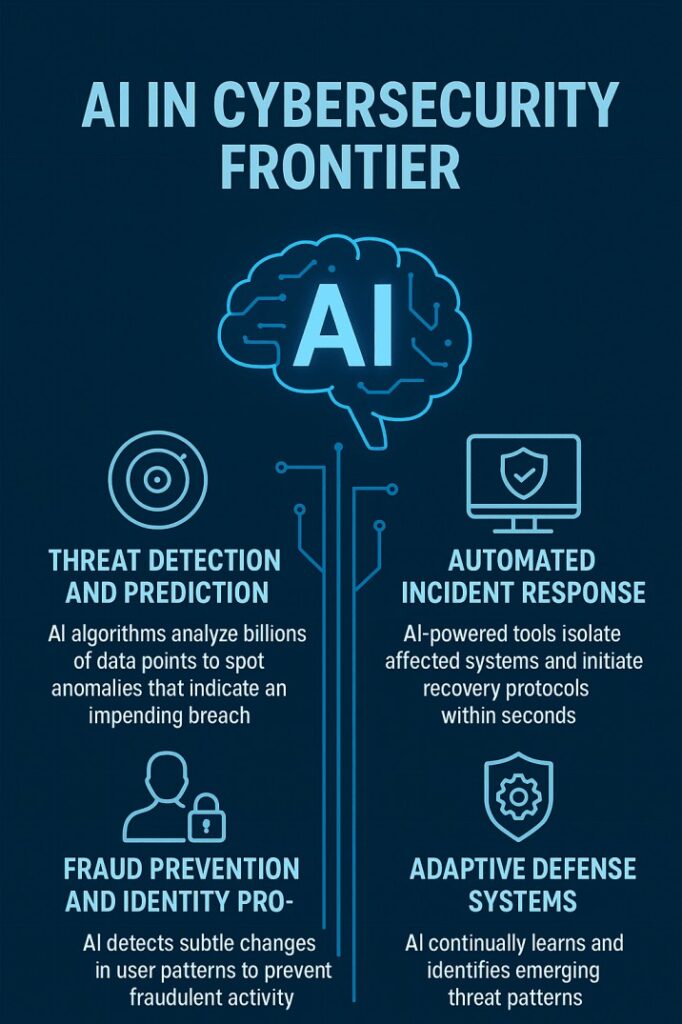
By leveraging machine learning models and real-time data analysis, AI can detect unusual activity, identify potential threats before they strike, and adapt to new patterns on its own. This means AI-driven systems can predict and neutralize attacks in their early stages, long before human intervention is even required.
While AI can handle vast amounts of data at lightning speed, human intuition and context remain irreplaceable. The most effective cybersecurity systems today combine AI automation with human expertise, creating a powerful defense ecosystem.
Analysts focus on complex decision-making, while AI handles the heavy lifting, scanning, detecting, and neutralizing threats in real time.
AI isn’t invincible. The same technology that empowers defenders can also be weaponized by attackers. Adversarial AI, where hackers manipulate AI models to bypass detection, is an emerging threat.
Moreover, the reliance on massive data inputs raises questions about privacy, bias, and trust. As we deploy AI deeper into security frameworks, maintaining transparency and accountability becomes essential.
The next phase of cybersecurity will be built on intelligent automation, continuous learning, and collaboration between humans and artificial intelligence.
From enterprise networks to personal devices, every digital interaction will need a layer of AI-enabled defense, one that can predict and adapt faster than the threats it faces.
At BigAI, we believe that the future of cybersecurity isn’t just about stronger firewalls or smarter algorithms; it’s about creating intelligent ecosystems that evolve, respond, and protect with human-like precision and machine-level speed.
AI in cybersecurity is not a futuristic concept; it’s happening now.
The systems that protect our data, privacy, and digital lives are already learning, reasoning, and evolving. As cyber threats grow more complex, AI stands at the frontline, transforming defense from a reactive shield into a proactive guardian.
The frontier of cybersecurity is intelligent, and the future belongs to those who harness it.